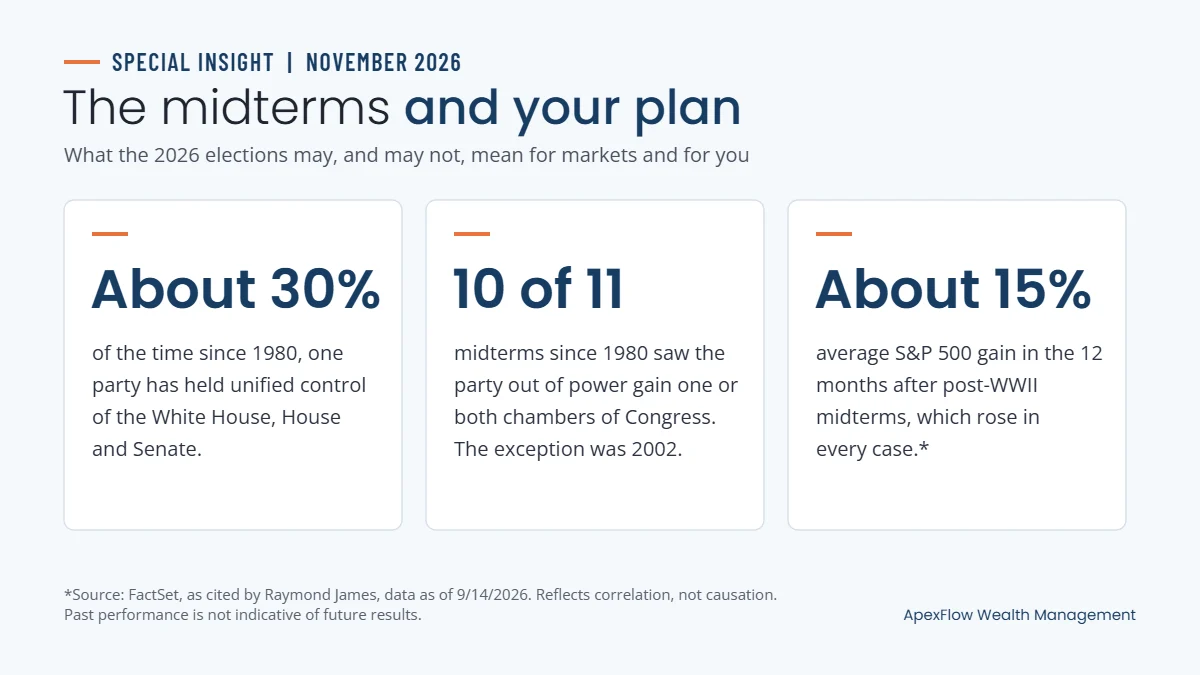
Divided government is common, sweeping policy change tends to be harder after a midterm, and markets have historically moved through election cycles. What the 2026 midterms may mean for your plan.
Private credit, private equity and real estate funds are being marketed to more investors than ever. Here is what they are, what they cost you in liquidity and complexity, and who they actually suit.
Rebalancing is the least exciting thing we do for a portfolio and one of the most important. Here is what it is, why we use bands instead of dates, and how taxes change the approach.
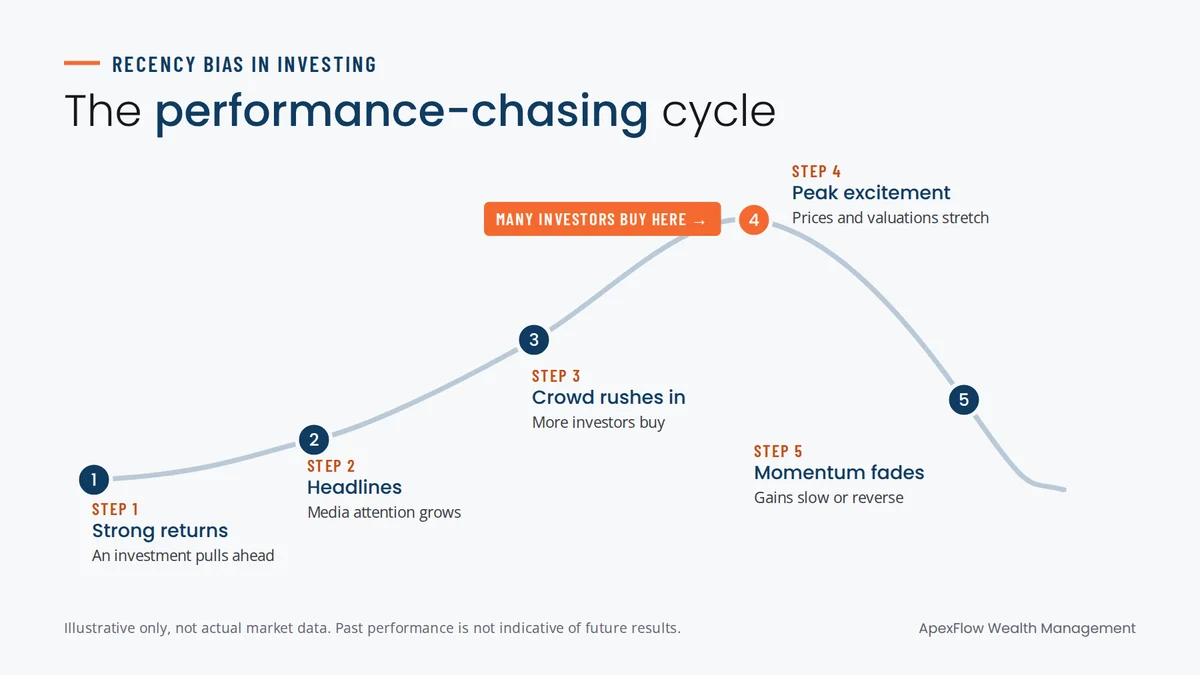
There’s a moment many investors recognize. A sector is surging. A fund is outperforming. An investment seems to be winning everywhere you look. The urge to invest feels obvious. It feels less like speculation and more like catching up. That’s often recency bias in investing, and it can become one of the most expensive behavioral … Read more
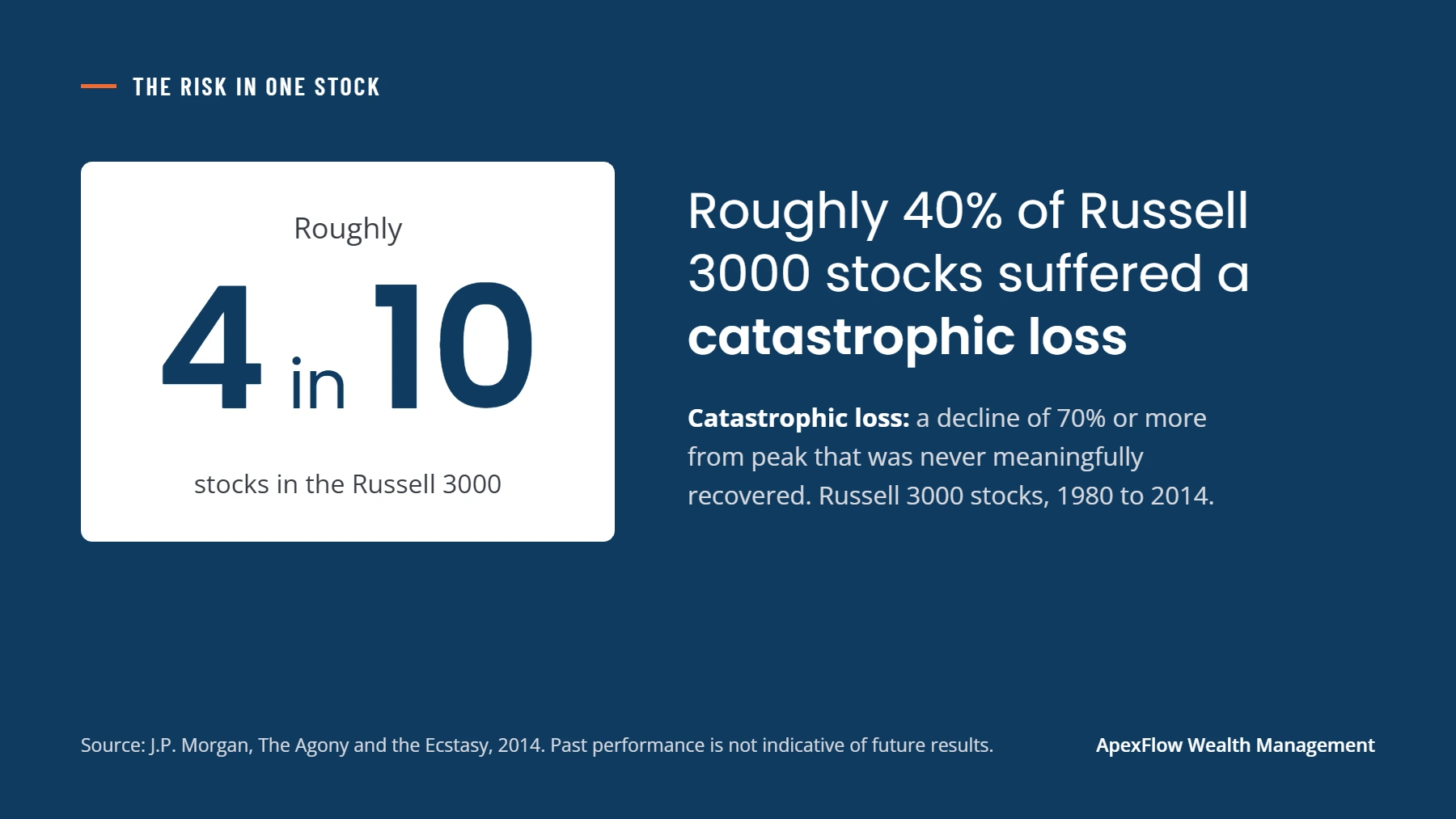
How can executives diversify company stock holdings? The common routes are staged selling spread across tax years, a 10b5-1 trading plan for company insiders, gifting appreciated shares to charity or a donor-advised fund, exchange funds and hedging with options such as collars. Each one trades off taxes, timing and how much exposure you keep while … Read more
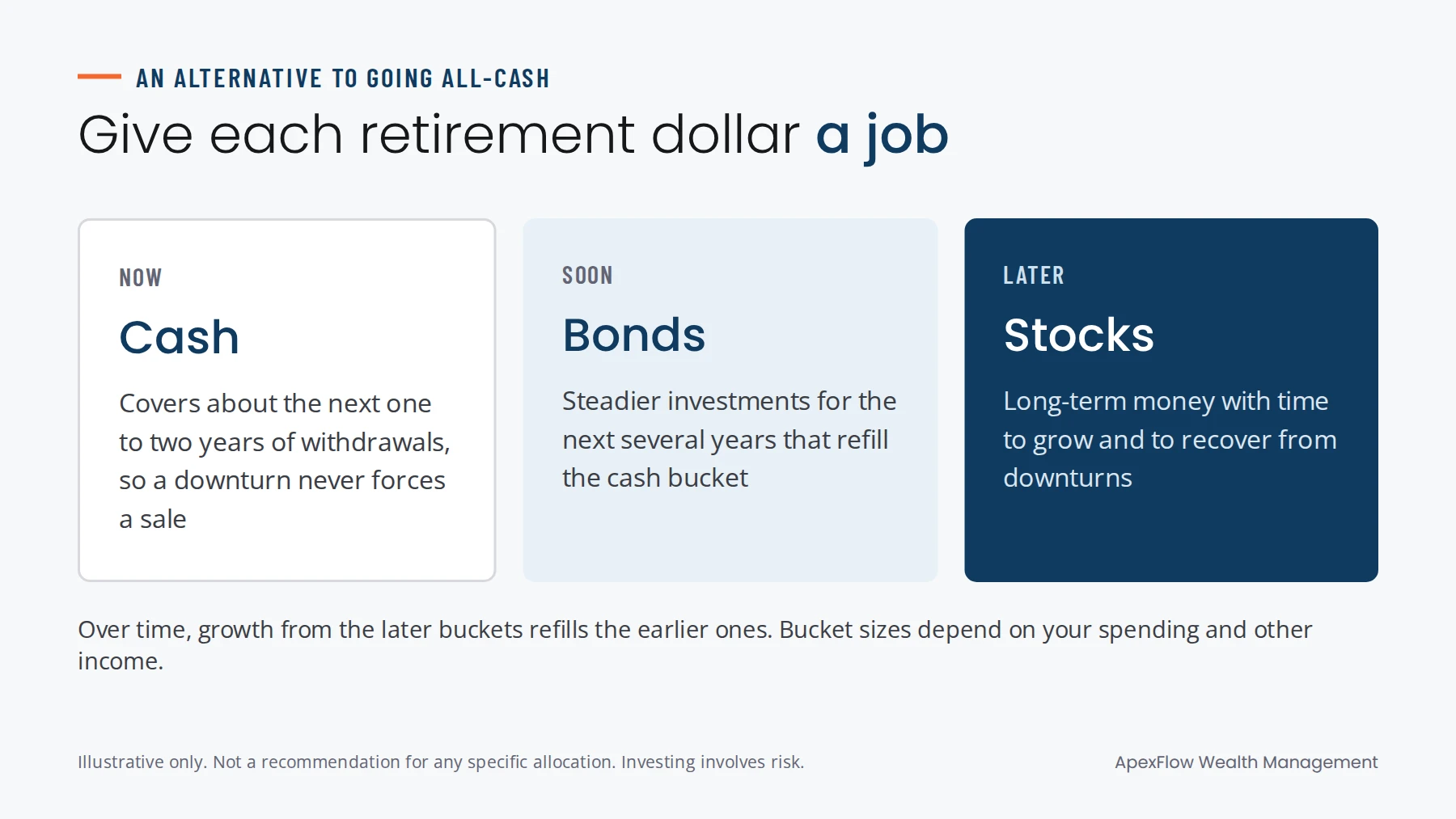
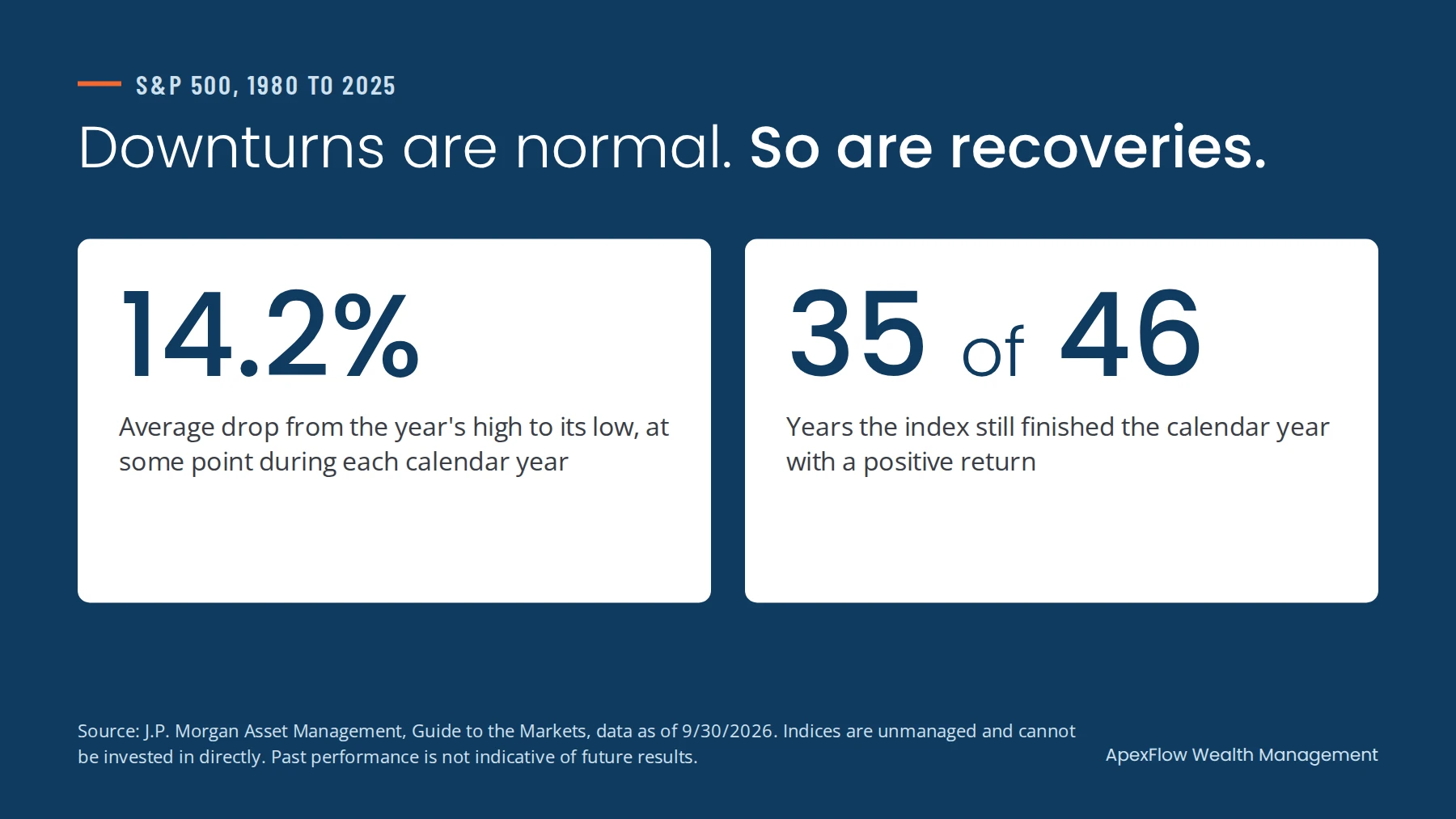
Everyone has met someone who claims they got out right before a downturn and back in right before the recovery. What you rarely hear about are the other nine times that same instinct got it wrong. The urge to get out gets loudest in the last few years before retirement, when a market drop feels … Read more
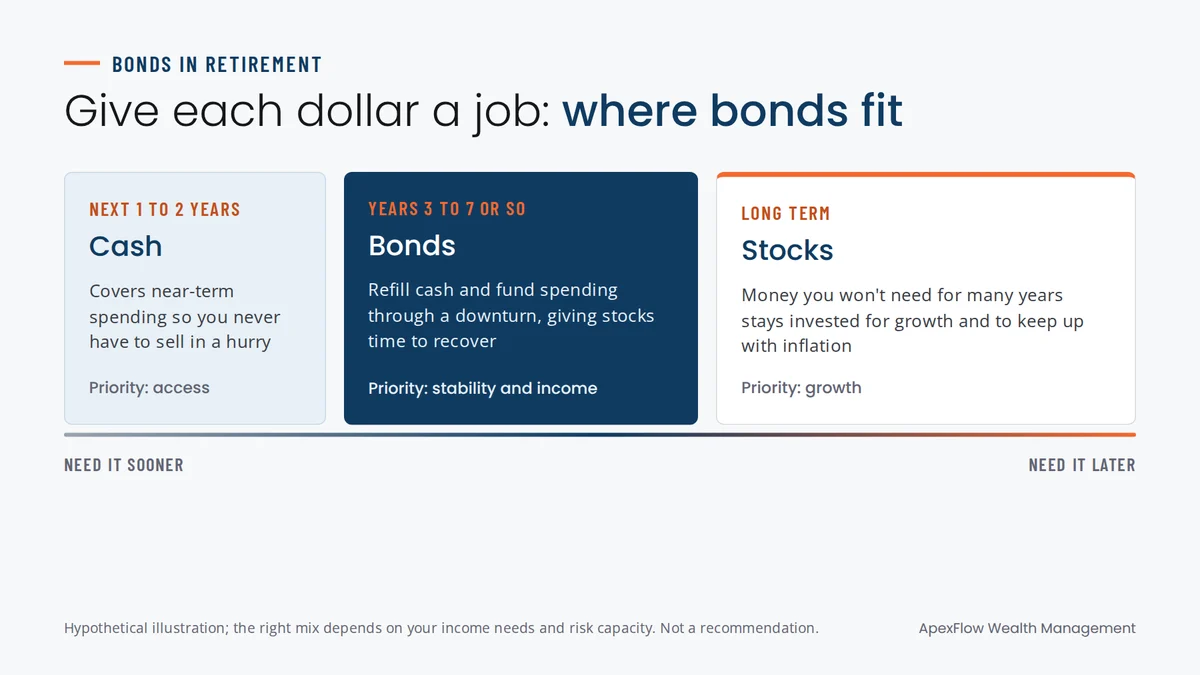
When people think about investing, stocks usually get all the attention. They’re exciting, discussed on the news and often responsible for the biggest gains in a portfolio. But if stocks are the engine of a portfolio, bonds are the suspension system. You may not notice them every day, but when the road gets rough, you’re … Read more
A market drops 3% in a week and it feels like the beginning of something bad. A market climbs 3% in a week and it barely registers. That imbalance isn’t a coincidence, and it isn’t a personal flaw. It’s called loss aversion: the tendency to feel losses far more sharply than gains of the same … Read more