
Everyone has met someone who claims they got out right before a downturn and back in right before the recovery. What you rarely hear about are the other nine times that same instinct got it wrong. The urge to get out gets loudest in the last few years before retirement, when a market drop feels like it could wreck everything you’ve built. So, should you move to cash before retirement? For most people the honest answer is “not all of it,” and the reason comes down to time in the market vs. timing the market.

At a glance
- To time the market, you have to be right twice: when to get out and when to get back in.
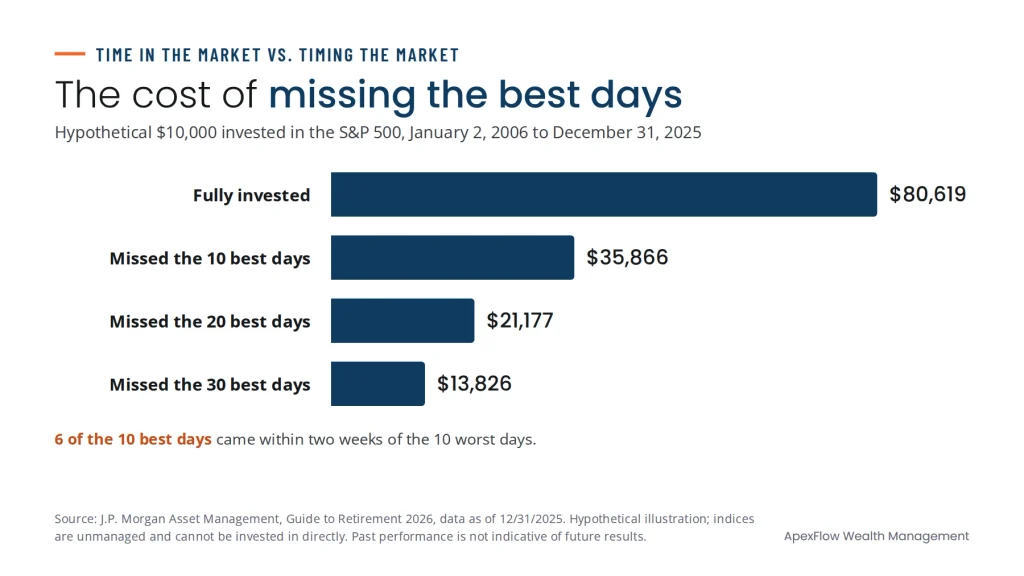
- From 2006 to 2025, a hypothetical $10,000 in the S&P 500 grew to $80,619 if left alone, but only $35,866 if it missed the 10 best days.
- The real near-retirement risk is a bad market just as withdrawals begin. A cash and bond cushion for near-term spending is usually a better fit than going all-cash.
Why moving to cash feels safe before retirement
The worry is reasonable. When you’re five years from retirement, there’s less time to recover from a big decline, and you may soon need to sell investments to pay for living expenses. Moving your 401(k) or IRA to cash feels like locking the door before the storm.
But cash has its own risks. It locks in whatever you’ve earned so far, it rarely keeps up with inflation over long periods and it leaves you with a hard decision about when to get back in. Retirement can last 25 or 30 years, so most of your money still has a long time horizon on the day you retire.
Time in the market vs. timing the market: the math nobody mentions
To successfully time the market, you don’t just have to be right once. You have to be right twice: when to get out and when to get back in. Miss either call, and the result often trails simply staying invested.
That second call is the one people forget. Getting out during a downturn feels like the hard part, but getting back in is harder. By the time it feels safe to reinvest, much of the recovery has often already happened. The market tends to turn before the news does.
What missing the best days costs
J.P. Morgan’s Guide to Retirement tracks what happened to a hypothetical $10,000 invested in the S&P 500 from January 2, 2006, through December 31, 2025:
| If you were… | Your $10,000 grew to |
|---|---|
| Fully invested the whole time | $80,619 |
| Out of the market for the 10 best days | $35,866 |
| Out for the 20 best days | $21,177 |
| Out for the 30 best days | $13,826 |
Missing just 10 days out of 20 years cut the ending value by more than half. And the best days are hard to avoid missing if you step out during a scare: six of the 10 best days came within two weeks of the 10 worst days.
This example is hypothetical and for illustrative purposes only. It does not represent any actual investment. Indices are unmanaged and cannot be invested in directly, and past performance is not indicative of future results.
The real risk near retirement: sequence of returns
None of this means a downturn right before retirement doesn’t matter. It matters a lot, just not in the way most people think.
The risk isn’t owning stocks. It’s having to sell them at low prices to cover living expenses early in retirement. A bad market in the first few years of withdrawals does more lasting damage than the same decline later, because you’re selling more shares to raise the same income. Planners call this sequence-of-returns risk.
The answer isn’t to abandon stocks altogether. It’s to make sure the money you’ll spend soon isn’t the money exposed to a downturn. We explain how this ties to your plan’s ability to absorb a loss in Risk Tolerance vs. Risk Capacity.
A middle path: give each dollar a job
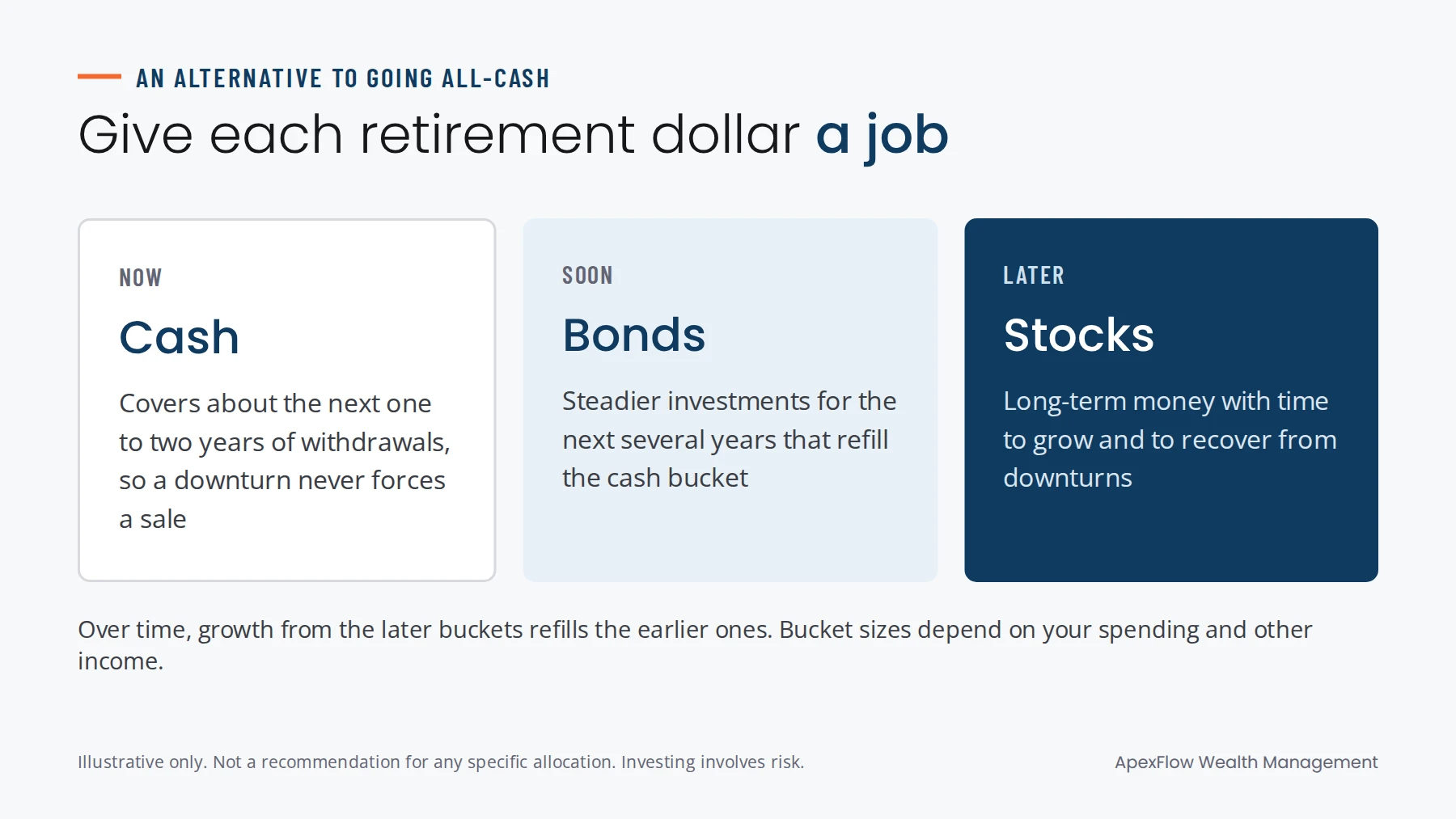
Instead of choosing between “all in” and “all cash,” many retirees divide their savings by when they’ll need it. This is often called a bucket strategy:
- Near-term spending, in cash. Enough to cover your withdrawals for the next year or two, so a downturn never forces you to sell. See How Much Should You Keep in Cash Reserves?
- The next several years, in bonds and other steadier investments. This refills the cash bucket over time. Our post on the role of bonds in a financial plan explains how.
- Longer-term money, in stocks. Money you won’t need for many years can stay invested for growth and ride out the ups and downs.
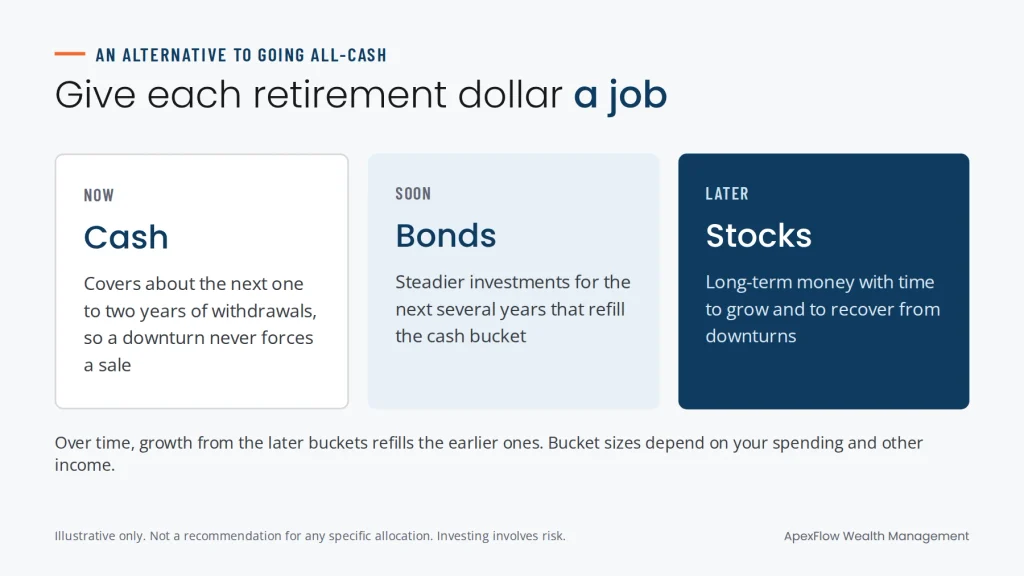
The right size for each bucket depends on your spending, your other income sources, like Social Security or a pension, and your comfort with risk. The point is that short-term needs are covered, so long-term money has time to recover.
Why staying invested works with compounding
Compounding rewards time, not precision. Every year your money stays invested and grows, that growth becomes the new base for the next year’s growth. Stepping in and out of the market interrupts that process every time, even when each decision seems reasonable in the moment.
That’s why “time in the market beats timing the market” is more than a slogan. It describes how compounding works: long, uninterrupted stretches of investing tend to matter more than any single entry or exit point.

What to do instead of guessing
The alternative to market timing isn’t doing nothing and hoping. It’s a strategy that doesn’t require guessing correctly in the first place:
- Shift gradually, not all at once. Many people reduce stock exposure slowly over the years leading up to retirement, on a schedule, instead of in one reaction to the headlines.
- Match your mix to your timeline. An asset allocation built around when you’ll need the money gives you a reason to stay invested through volatility, because the plan already expects it.
- Rebalance on a schedule. Bringing your portfolio back to its target mix means trimming what has grown and adding to what has fallen, which is the opposite of panic selling.
- Know why you’re invested the way you are. Understanding your plan makes it much easier to sit still when the headlines get loud, which is often the whole game.
Staying invested through a downturn doesn’t feel good. Nobody watches their account fall and feels calm. If the feeling is hard to shake, it’s worth reading about why market downturns feel worse than they actually are.
Where we fit in
We don’t tell clients to just “stay calm” and leave it there. We build portfolios around your actual time horizon and risk capacity from the start, including the cash and income you’ll need in the first years of retirement. That way, when volatility shows up, and it will, the plan already has an answer. That planning happens in the Design stage of our planning process.
Frequently asked questions
Usually not all of it. Moving everything to cash locks in your current balance but gives up growth you may need for a retirement that could last decades. A common approach is to hold enough cash and bonds for your near-term withdrawals and keep the rest invested.
It depends on your spending and other income. Many retirees keep enough cash to cover one to two years of the withdrawals they’ll take from savings, with bonds behind it to cover the next several years.
Holding cash makes sense for money you’ll need soon, like next year’s living expenses or a planned purchase. Moving long-term money to cash because of a forecast or a scary headline is where most investors get hurt.
It’s the risk that poor market returns early in retirement, while you’re making withdrawals, do lasting damage to how long your savings last. The same returns in a different order can produce very different results once withdrawals start.
Historically, staying invested has been hard to beat, because the market’s best days often come right after its worst. In J.P. Morgan’s 20-year example, missing just the 10 best days cut the ending value by more than half. Past performance does not guarantee future results.
Talk it through with us
If market swings have you wondering whether to move to cash before you retire, that’s worth a real conversation, not a reaction. Book a 20-minute Fit Call. It’s virtual, no prep is needed and there’s no obligation.

Investing involves risk and you may incur a profit or loss regardless of strategy selected, including diversification and asset allocation. Raymond James and its advisors do not offer tax or legal advice. You should discuss any tax or legal matters with the appropriate professional.
Related Articles
Dig deeper into our resource library
-
 October 7, 2026
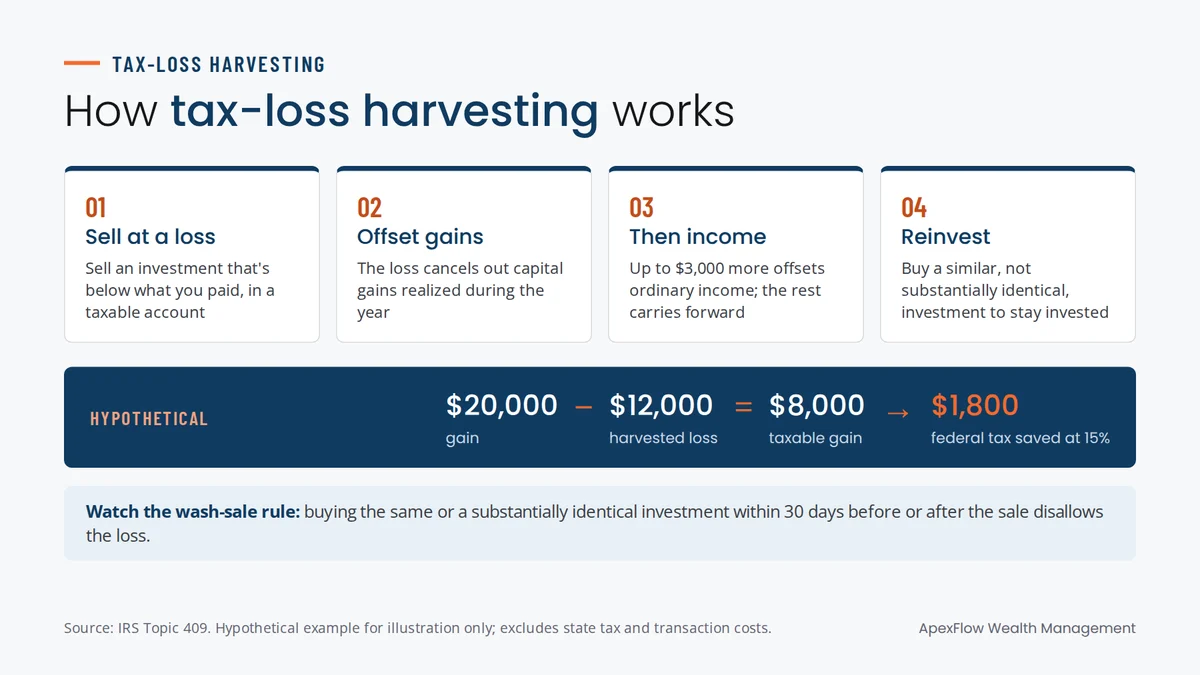
Tax-Loss Harvesting: How It Works and How to Avoid the Wash-Sale Rule
No one likes seeing an investment lose value. But in a taxable account, a loss can have a silver lining. Tax-loss harvesting means selling anRead more -
 October 7, 2026
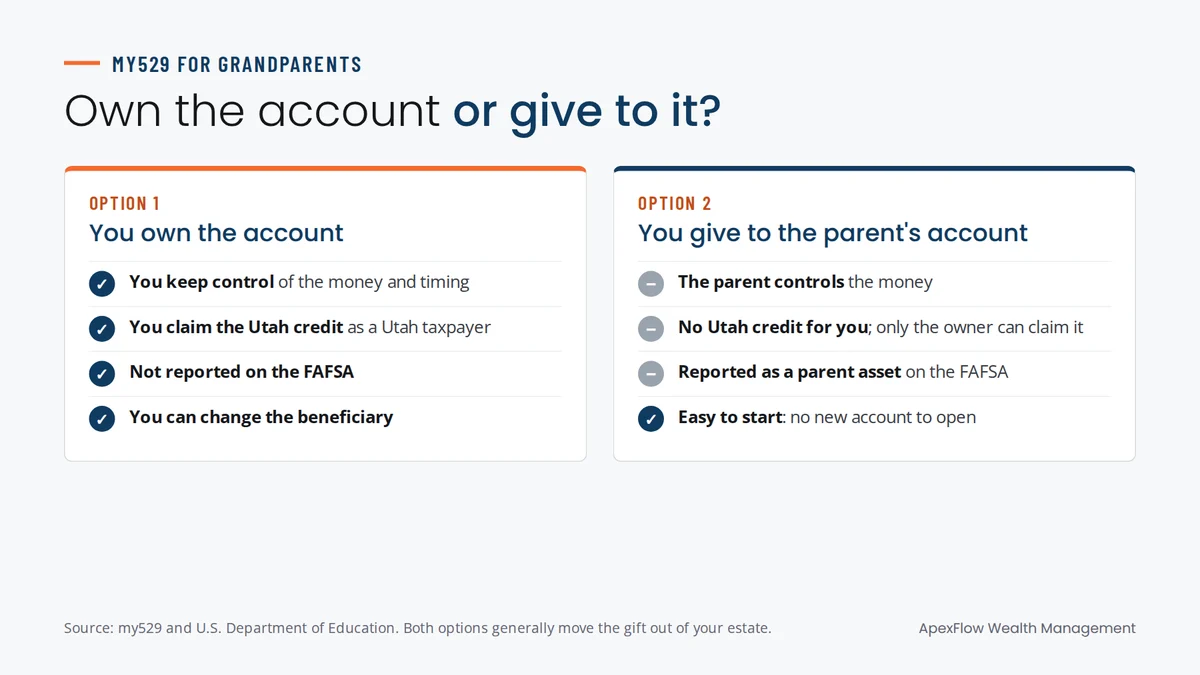
Using Utah’s my529 Plan as a Grandparent
Helping pay for a grandchild’s education is one of the most meaningful gifts a grandparent can give. It’s also one of the most tax-efficient. Utah’sRead more -
 October 7, 2026
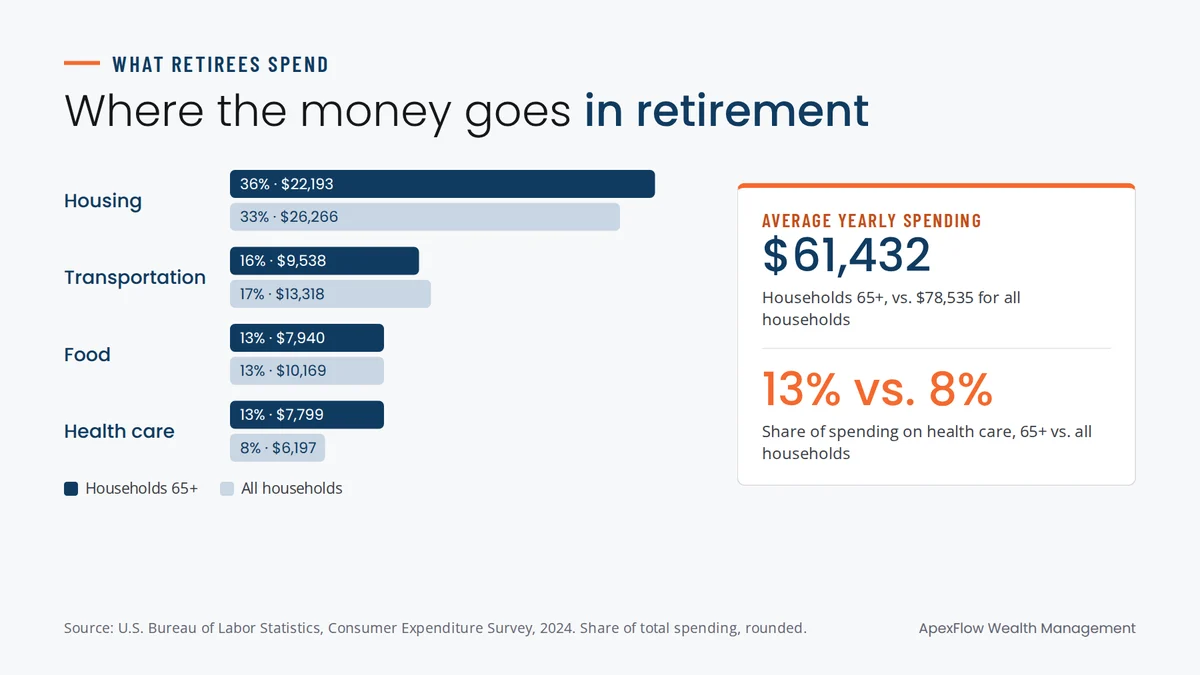
How to Build a Retirement Budget That Lasts
For decades, your budget had a built-in safety net: the next paycheck. Retirement changes that. Your income now comes from Social Security, maybe a pension,Read more