
There’s a number following you around that most people have never really looked in the eye. It shows up when you buy a car, refinance a house or apply for a credit card. And as retirement gets closer, a lot of people assume it stops mattering. The mortgage is nearly paid off, the borrowing years are behind you, so why worry? But your credit score in retirement still affects more than you might expect, from downsizing to a new home to opening a home equity line, setting your insurance rates or helping an adult child with a loan.

At a glance
- Retiring doesn’t lower your credit score. Income, age and employment aren’t part of the formula.
- Your score still matters for mortgages, home equity lines, car loans, insurance pricing, renting and co-signing.
- The habits that protect it are simple: pay on time, keep balances low, keep old accounts open and watch for fraud.
Does retiring hurt your credit score?
No, not by itself. According to myFICO, your FICO Score is calculated only from the information in your credit report. Your income, your job and your age aren’t part of it, so the day you stop working, nothing changes.
What can change are the habits around it. In retirement, people often pay off their mortgage, stop using some credit cards and open fewer new accounts. A few of those moves can nudge a score, which we cover below. Lenders can also look at your income separately when you apply, even though it isn’t part of the score.
Why your credit score still matters in retirement
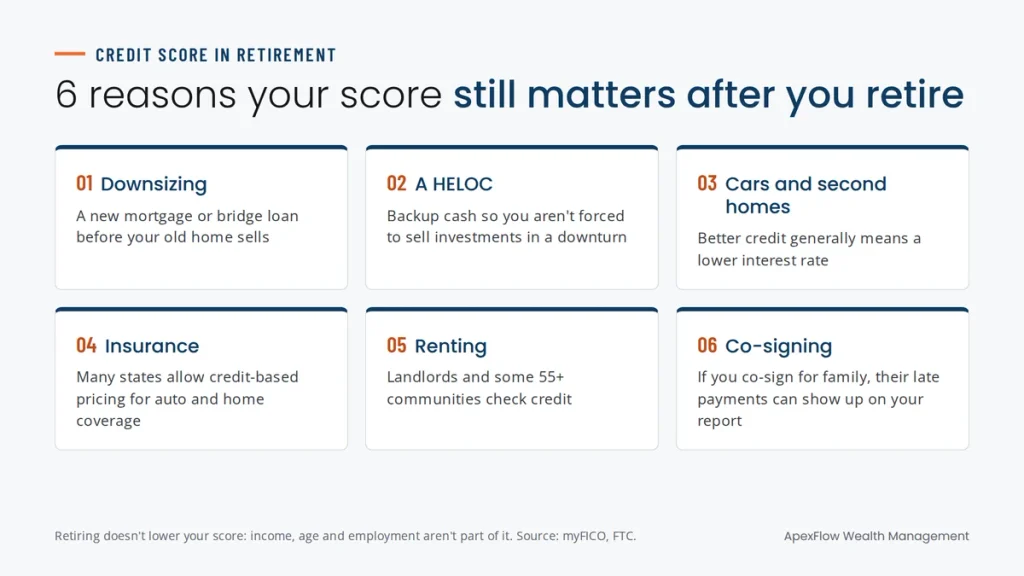
A strong score keeps options open at exactly the stage of life when flexibility matters most.
- Downsizing or relocating. Buying a new home before you sell the old one may mean a new mortgage or a short-term bridge loan.
- A home equity line of credit. Many retirees like having a HELOC available as a backup source of cash, so they aren’t forced to sell investments during a downturn.
- A second home or a car. Better credit generally means a lower interest rate on any loan.
- Insurance. In many states, insurers can use a credit-based insurance score when pricing auto and homeowners coverage.
- Renting. Landlords and some 55-and-older communities check credit before approving an application.
- Co-signing for family. If an adult child or grandchild needs a co-signer, the lender will look at your credit.
Getting a mortgage or HELOC in retirement
The federal Equal Credit Opportunity Act prohibits lenders from discriminating based on age. What lenders do look at is whether your income, from Social Security, pensions, required withdrawals or investments, can support the payment. Some lenders can also qualify you based on your assets.
Because retirement income can take more paperwork to document than a paycheck, some people choose to open a HELOC before they retire. A line of credit you don’t use costs little or nothing to keep open in many cases, and it can serve as part of your safety net alongside cash. We cover how much to keep in reserve in How Much Should You Keep in Cash Reserves?
Co-signing for an adult child: know what you’re signing
Co-signing can feel like a simple way to help, but it’s a full financial commitment. As the FTC puts it, if the main borrower misses payments, you must make them, and late payments or a default can show up on your credit report.
If you do co-sign, ask the lender to notify you of any missed payment, and talk openly with your family about how you’ll handle it. Those conversations are easier when the whole family understands your plan, which we cover in How to Talk to Your Adult Children About Inheritance.

What a credit score really is
A credit score is a three-digit prediction. It’s a lender’s best guess at how likely you are to repay a debt on time, built from your credit reports at the three major bureaus: Experian, TransUnion and Equifax.
The most widely used model is the FICO Score, which ranges from 300 to 850. VantageScore, a competing model built by the bureaus themselves, uses the same range but weighs the data differently, so your two scores can land well apart. If a lender quotes a number that doesn’t match your free app, that’s usually why. Different model, different math, same you.
According to FICO, the national average FICO Score was 714 as of its August 2026 report.
The five factors that build your FICO Score
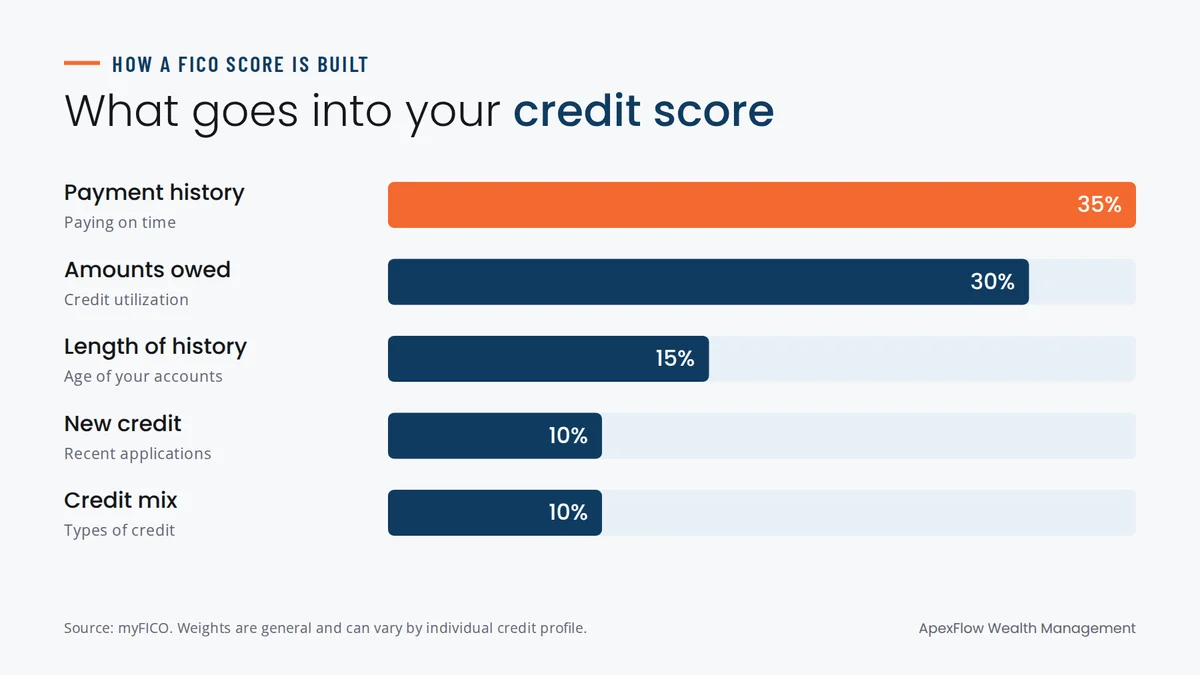
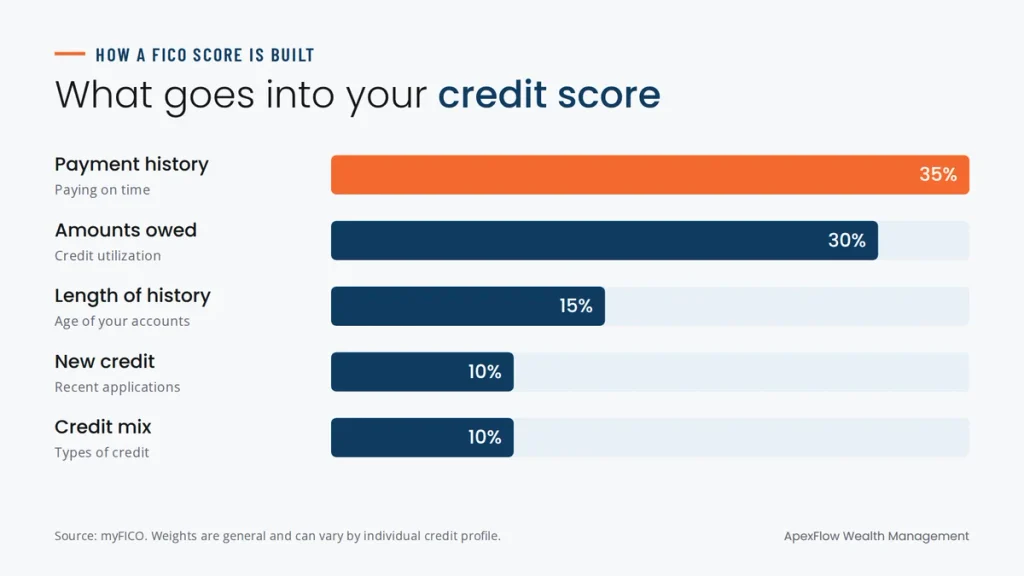
FICO doesn’t treat every part of your financial life equally. Five factors go into the formula:
| Factor | Weight | What it measures |
|---|---|---|
| Payment history | 35% | Whether you pay on time |
| Amounts owed | 30% | How much of your available credit you’re using |
| Length of credit history | 15% | How long your accounts have been open |
| New credit | 10% | Recent applications and new accounts |
| Credit mix | 10% | The variety of credit types you manage |
Source: myFICO
Payment history is the single biggest lever and the most unforgiving. For someone with a strong profile, a single 30-day late payment can drop a score significantly, and the damage can take months or longer to repair.
Amounts owed looks at your credit utilization. If you have a $10,000 limit across your cards and carry a $3,000 balance, your utilization is 30%. Lower is generally better, and the strongest scores tend to belong to people who use very little of their available credit.
Length of credit history rewards patience. It’s one reason keeping older accounts open can help.
New credit reflects hard inquiries. Each application causes a small, temporary dip, though rate shopping for a mortgage or auto loan within a short window is usually treated as a single inquiry.
Credit mix moves the needle the least. You don’t need to open accounts you don’t need just to diversify.
How to protect your credit score in retirement
Understanding the formula is one thing. Acting on it is another. Here’s where to focus, roughly in order of impact.
Never miss a payment, even a small one. Set up autopay for at least the minimum on every account. A forgotten $30 payment can cost you more, in score terms, than almost anything else on this list.
Keep old cards open and active. Closing a long-standing card can shrink your available credit and raise your utilization. A card that goes unused for a long time may also be closed by the issuer. Putting one small recurring bill on it, paid automatically, keeps it active.
Pay down balances before the statement closes. Utilization is usually calculated from the balance on your statement date, not the due date.
Be deliberate about new applications. Space them out, and consolidate rate shopping into a short window.
Know that paying off your mortgage is still a win. Closing an installment loan can cause a small, temporary change in your score, but being debt-free is usually worth far more than a few points.
Give it time. There’s no legitimate shortcut to a great score. Anyone promising to erase accurate negative history overnight is not someone you want handling your finances.
Protect your credit from fraud
Retirees are frequent targets of identity theft and scams, so checking your credit is about more than your score.
- Check your reports regularly. The three bureaus have permanently extended free weekly credit reports at AnnualCreditReport.com. Errors and unfamiliar accounts are worth disputing right away.
- Consider a credit freeze. According to the FTC, a freeze is free, doesn’t affect your credit score and can be lifted temporarily when you need to apply for credit.
Why this matters more than the number itself
It’s tempting to treat a credit score like a grade to chase. We’d push back on that framing. Your credit score is really a reflection of financial clarity. It rewards the same things that build a stable financial life: paying attention, following through and not letting small obligations pile up into large ones. A credit score isn’t the destination. It’s one signal, among many, that your finances are organized around a plan instead of drifting.
That’s the lens we bring to every part of a client’s financial picture, credit included, in every stage of our planning process.
Frequently asked questions
No. Retirement itself doesn’t affect your score, because income and employment aren’t part of the formula. Changes in how you use credit after you retire can affect it.
There’s no single target. A score in the mid-700s or higher generally qualifies for better rates, which matters most if you plan to buy a home, open a HELOC or finance a car.
Yes. Lenders can’t deny you because of your age, but they’ll want to see income or assets that can support the payment.
Usually not, especially older ones. Closing them can raise your utilization and shorten your credit history. Keeping one small, automatic charge on a card keeps it active.
Yes. The loan can appear on your credit report, and if the borrower pays late or defaults, it can hurt your score and you’re responsible for the debt.
Talk it through with us
If you’re not sure where your credit stands, or how it fits into your plans for retirement, from downsizing to helping family, that’s a conversation worth having. Book a 20-minute Fit Call. It’s virtual, no prep is needed and there’s no obligation.
With clarity and confidence,

Investing involves risk and you may incur a profit or loss regardless of strategy selected, including diversification and asset allocation. Raymond James and its advisors do not offer tax or legal advice. You should discuss any tax or legal matters with the appropriate professional.
Related Articles
Dig deeper into our resource library
-
 October 7, 2026
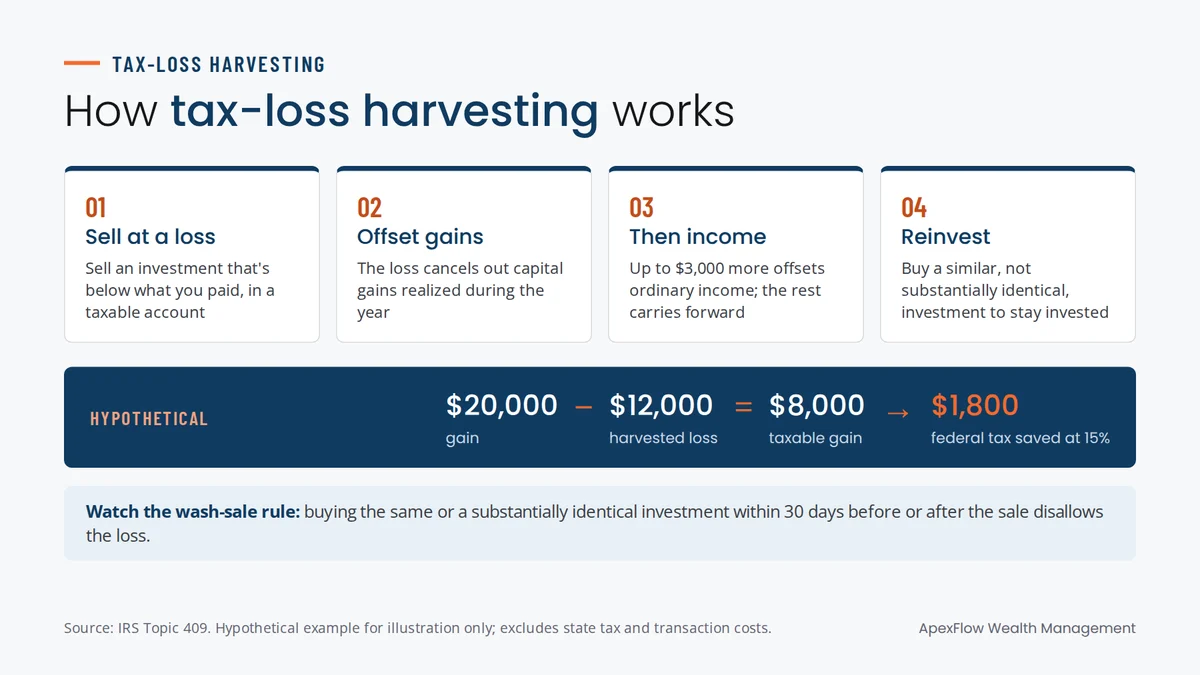
Tax-Loss Harvesting: How It Works and How to Avoid the Wash-Sale Rule
No one likes seeing an investment lose value. But in a taxable account, a loss can have a silver lining. Tax-loss harvesting means selling anRead more -
 October 7, 2026
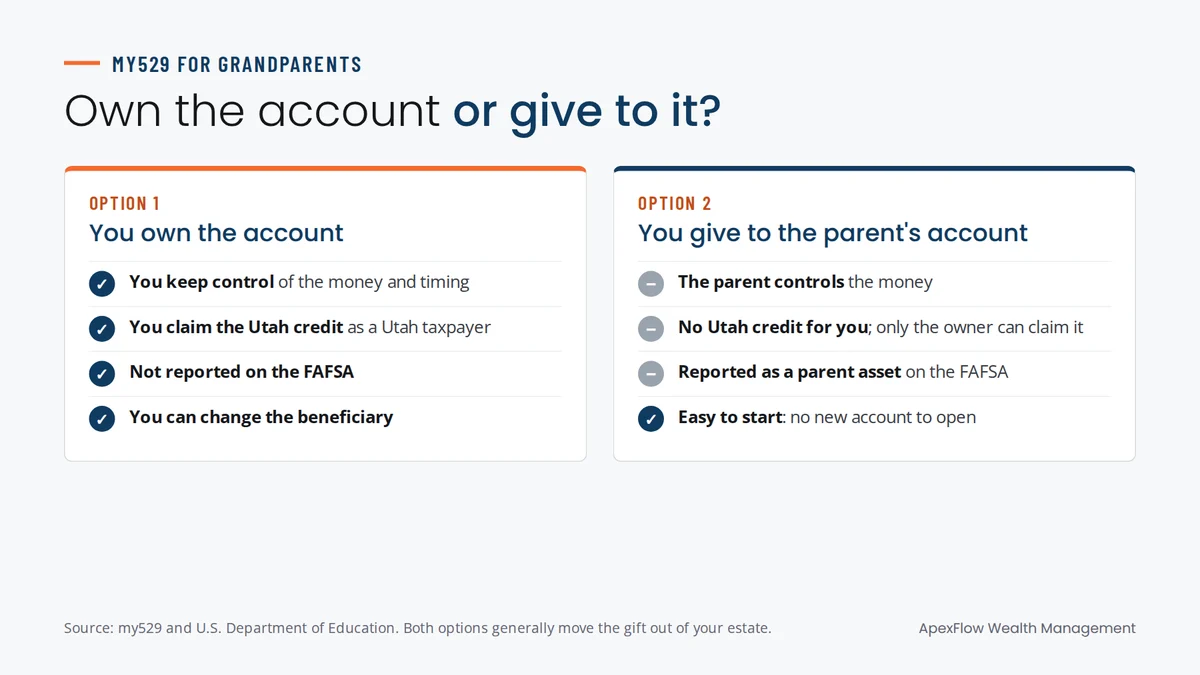
Using Utah’s my529 Plan as a Grandparent
Helping pay for a grandchild’s education is one of the most meaningful gifts a grandparent can give. It’s also one of the most tax-efficient. Utah’sRead more -
 October 7, 2026
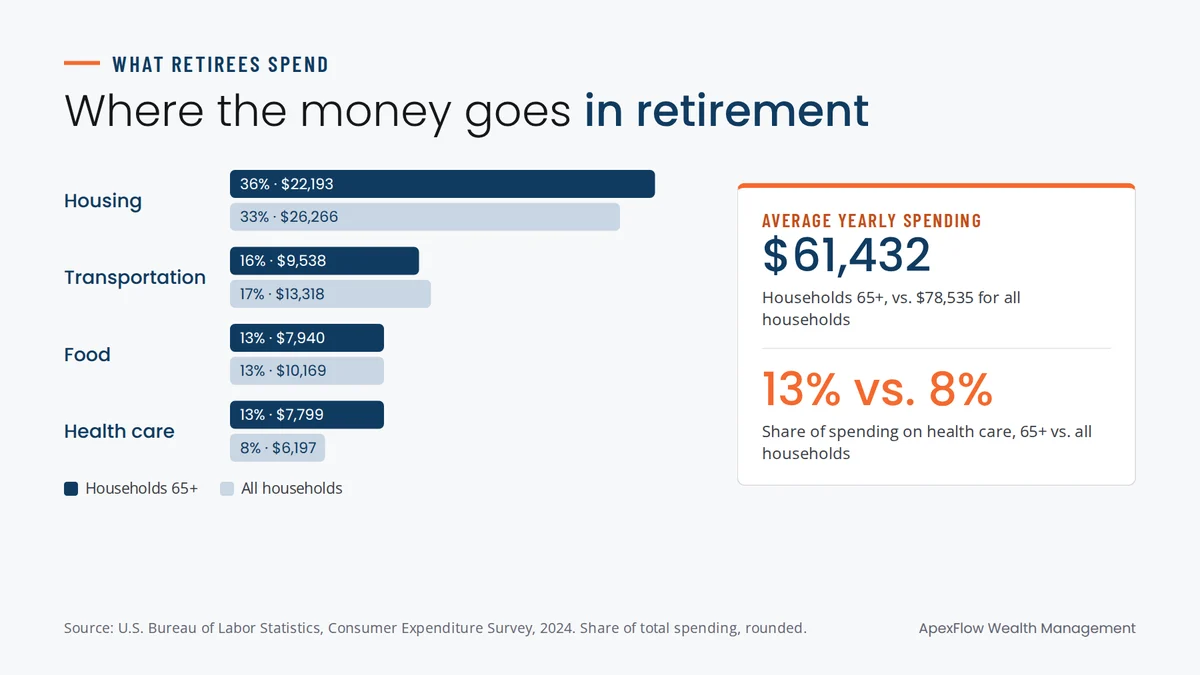
How to Build a Retirement Budget That Lasts
For decades, your budget had a built-in safety net: the next paycheck. Retirement changes that. Your income now comes from Social Security, maybe a pension,Read more